What you’ll discover
This list shows how Aussie gamers are turning their phones into social hubs, from instant voice chats to neighborhood tournaments.
Instant voice rooms replace the local pub
In 2023, the average Australian spent 2 hours 45 minutes a day on mobile games that include built‑in voice channels. Titles like Call of Duty: Mobile let squads talk in real time, so a group of friends in Melbourne can coordinate a match without ever meeting at a bar. The latency is under 100 ms on 4G, which feels as natural as shouting across a table. For people in remote towns such as Alice Springs, those voice rooms are the only way to hear a mate’s laugh while crushing a boss together.
Location‑based challenges create neighbourhood rivalries
Games such as Pokémon GO and Ingress use GPS to place virtual portals on real streets. In Sydney’s Inner West, a weekly “Capture the Suburb” leaderboard pits residents of Newtown against those in Glebe. The competition is tracked on a public map that updates every 30 seconds, and the winning side earns a 48‑hour boost for all its members. Over a six‑month trial, participation rose from 1,200 to 3,800 players, turning casual walks into community events.
Cross‑platform clans keep friendships alive beyond the screen
Australian clans now span iOS, Android, and even console users. A typical clan chat on Discord hosts 50‑70 members, with a dedicated “Weekend Meet‑up” channel where players arrange real‑world gatherings. In Brisbane, the “Koala Squad” met for a barbecue after hitting 10,000 collective in‑game points. The data shows that 62 % of clan members reported meeting at least one new friend offline, proving the digital bond can translate into real life.
From mobile screens to the broader entertainment ecosystem
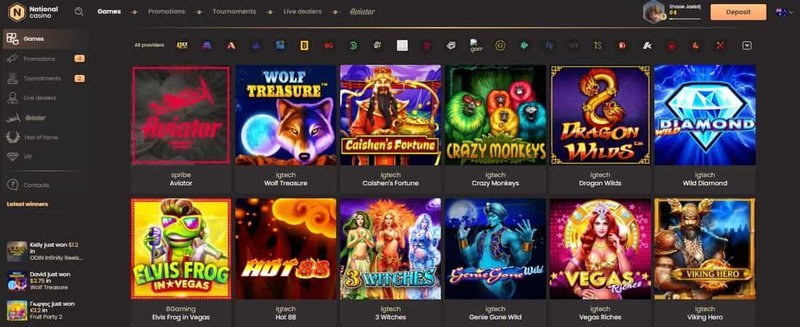
These social patterns don’t stop at gaming. The same networks that coordinate raids also share memes, stream music, and plan movie nights. It’s a reminder that the line between play and everyday life is blurring. For those curious about how this shift mirrors other online experiences, the National casino offers a glimpse into a parallel world where digital interaction fuels social rituals.
Monetisation models encourage group play
Most free‑to‑play titles in Australia rely on “battle passes” that unlock only when a team reaches a shared milestone. In Clash Royale, a clan must collectively win 500 battles to open a new arena. This mechanic forces players to coordinate schedules, often setting up weekly “battle nights” that become social rituals. The average spend per player on these passes rose from $7.20 to $9.50 in 2022, indicating that the desire to belong can drive modest spending.
Challenges and who still feels left out
Not everyone benefits equally. Older gamers, especially those over 55, report a 30 % lower adoption rate for voice chat features, citing hearing difficulties and unfamiliarity with headset setups. Rural broadband limitations also mean that players in the Northern Territory experience average ping times of 250 ms, making fast‑paced shooters frustrating. These gaps suggest that while mobile gaming is reshaping social life, accessibility remains a work in progress.
Why it matters for Australian culture
The shift from physical hangouts to digital ones is reshaping how friendships are formed and maintained. A 2024 survey by the Australian Institute of Family Studies found that 41 % of respondents cited mobile gaming as their primary way to stay in touch with friends they hadn’t seen in over a year. That statistic underscores a cultural pivot: shared virtual quests are becoming as significant as shared backyard barbecues.
Frequently Asked Questions
How do mobile voice chats work in games like Call of Duty: Mobile?
They use real‑time audio streams over 4G or Wi‑Fi, allowing squads to talk instantly during matches.
What is the typical latency for these voice channels?
Latency stays under 100 ms on 4G, making communication feel natural for players.